
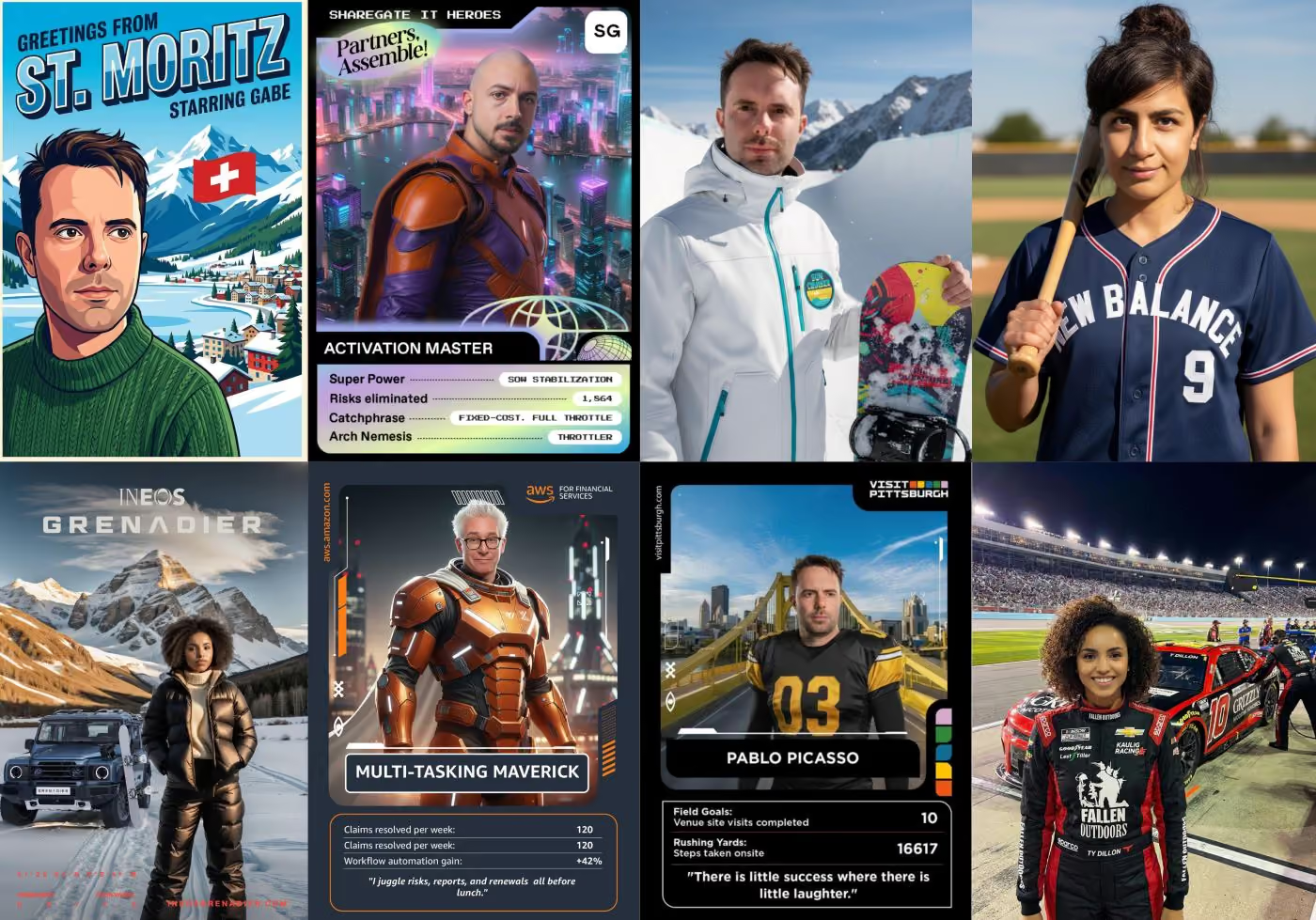
An AI photo booth uses generative AI to turn a guest’s photo into a branded, stylized image in seconds: a themed portrait, a trading card, or a poster built around your event. Unlike a traditional booth, the output isn’t the original photo. It is an AI-generated image that keeps the person’s likeness while placing them in a custom scene.
What is an AI photo booth?
An AI photo booth runs a guest’s photo through generative AI and hands back a new image styled to your brand or event theme. The guest still steps up, gets their photo taken, and walks away with something to share. What changes is the output. Instead of a straight snapshot, they get an image that places them in a scene you designed, in a style that matches the activation, with your branding built in.
That matters at events because the image does two jobs. It is a keepsake for the guest and a piece of branded content that travels out on their feed. Since 2023 these booths have gone from novelty to a standard line on the brief, from trade shows in Las Vegas to conferences in Austin and brand experiences in Orlando.
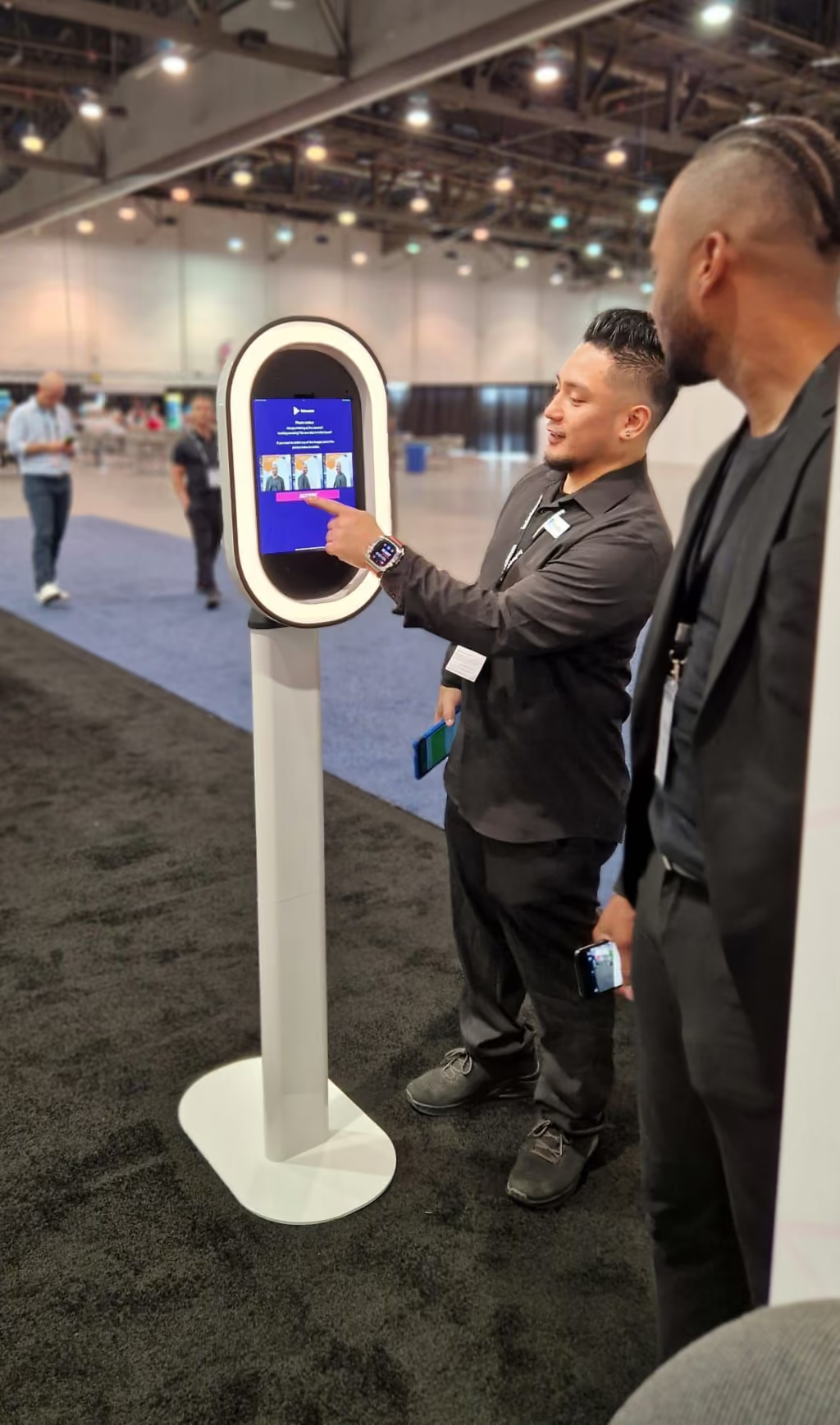
AI photo booth vs a traditional photo booth
A traditional photo booth captures and prints what’s in front of the camera: props, a backdrop, a strip of photos. It works, and for some events it is the right call.
An AI photo booth changes the output, not just the setup. The camera is the input; the image people leave with is generated. That opens up things a normal booth can’t do: put every guest inside a themed world, restyle them as a character, or drop your product into the shot. The creative is set in software ahead of time, so the look stays consistent for every guest and ties straight back to your campaign.
How does an AI photo booth work?
The guest experience. A guest steps up, and a host or an on-screen prompt guides them. The photo is taken, the AI generates the styled image in a few seconds, and the result shows on screen. They take it away as a print, a digital copy, or both, usually by scanning a QR code. There’s no app to download.
The technology. Behind the screen, the booth runs the captured photo through an AI image pipeline built for the event. The parameters are set in advance: the theme, the brand elements, the style, and the guardrails that keep every output on-brand. Getting that right is the hard part, and it’s what separates a booth that delights from one that gives everyone the same generic image.
Deployment. The booth itself is a compact machine that needs a bit of floor space, a power outlet, and a couple of hours to set up before doors. A crew runs it on the day. The same core setup scales from a single stand to a multi-day roadshow, and it can run as a physical booth on-site or as a browser-based experience for virtual and pre-event campaigns.
The three types of AI photo booth
Not all AI photo booths are the same. There are three main approaches, and the difference in output is real.
- Face swapper. Swaps the guest's face onto a pre-made base image. Fast and consistent at high volume, but the base images are fixed, so outputs repeat and everyone ends up looking similar.
- AI green screen. Removes the background and drops the real photo into a themed scene. Good for controlled creative concepts with a true likeness, though it is compositing rather than genuinely generative.
- Full generative AI. Generates a new image from the guest's likeness and the brand brief. Produces the most distinctive, one-of-a-kind results, and needs the most testing to get right.
The face swapper
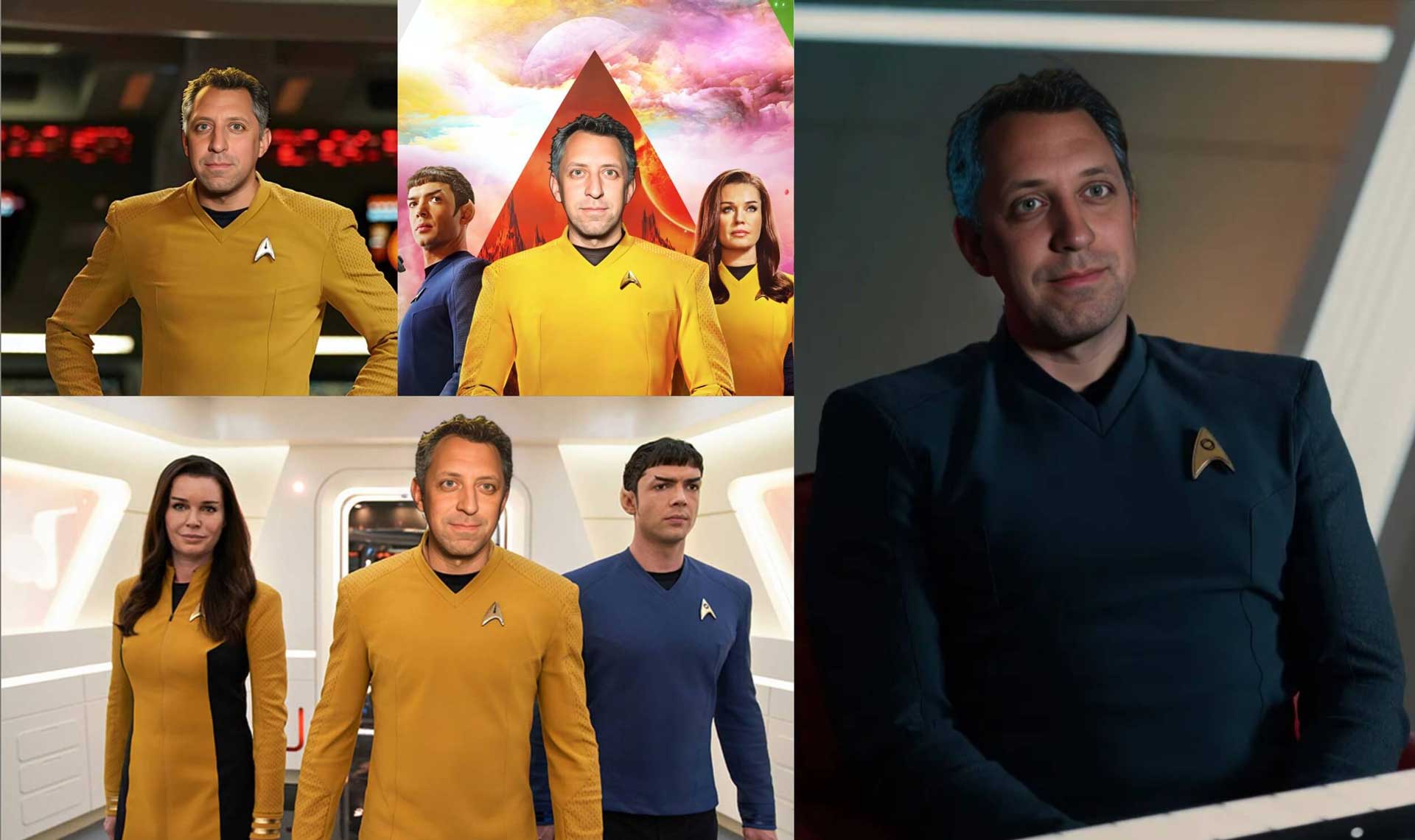
The face swapper swaps a guest’s face onto a pre-composed base image. The detail is clean and consistent, which is its appeal. The catch is that the base images are made in advance, so the range of outputs is narrow and every guest ends up looking like the last. It is a valid tool for a specific look, but on its own it is closer to advanced compositing than a generative experience. We use it as one ingredient in a mix, not as a general booth.
The AI green screen
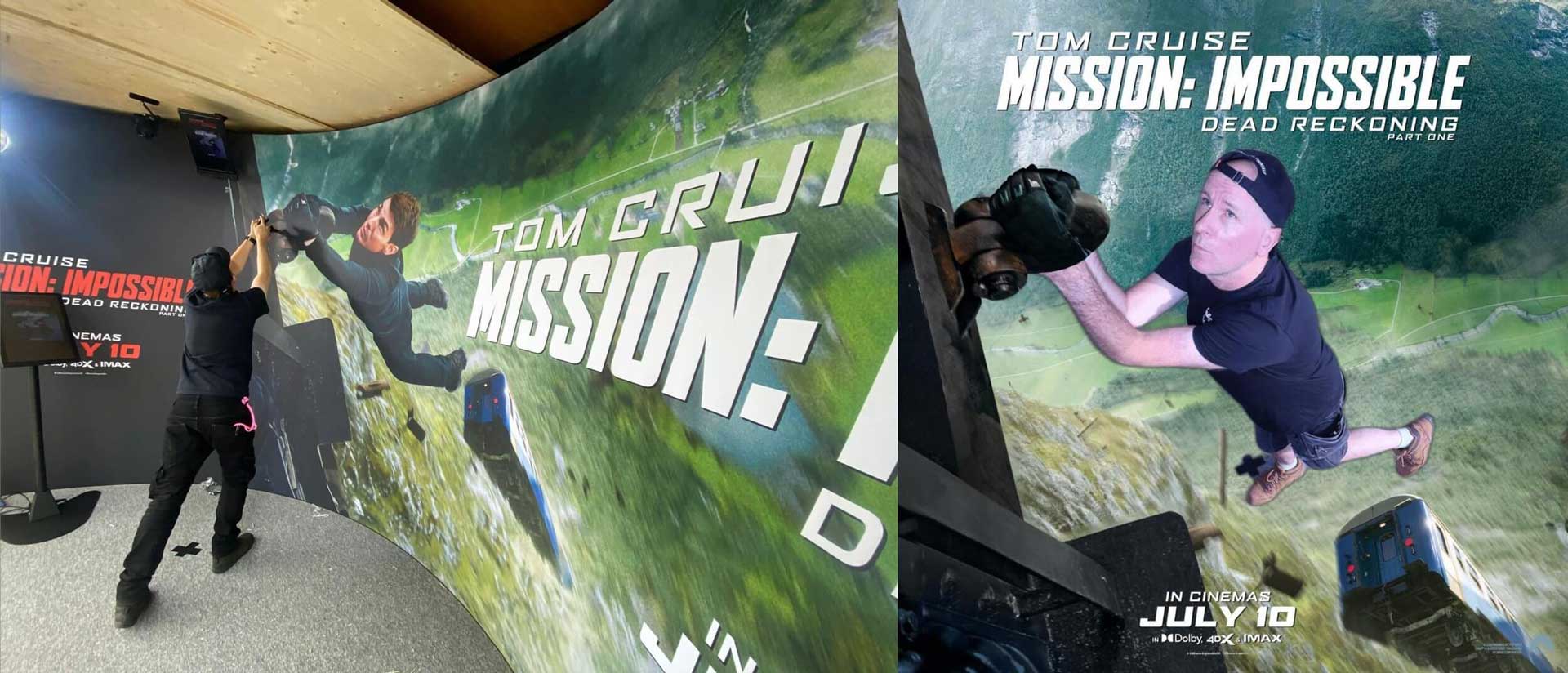
This removes the background and drops the real photo into a themed scene. It keeps a true likeness and works well for controlled creative concepts, even in tricky conditions. Our Mission Impossible F1 activation ran this way in a semi-outdoor space with uncontrolled light and held up. It is compositing rather than full generation, so it has its place, but it isn’t a generative booth.
Full generative AI
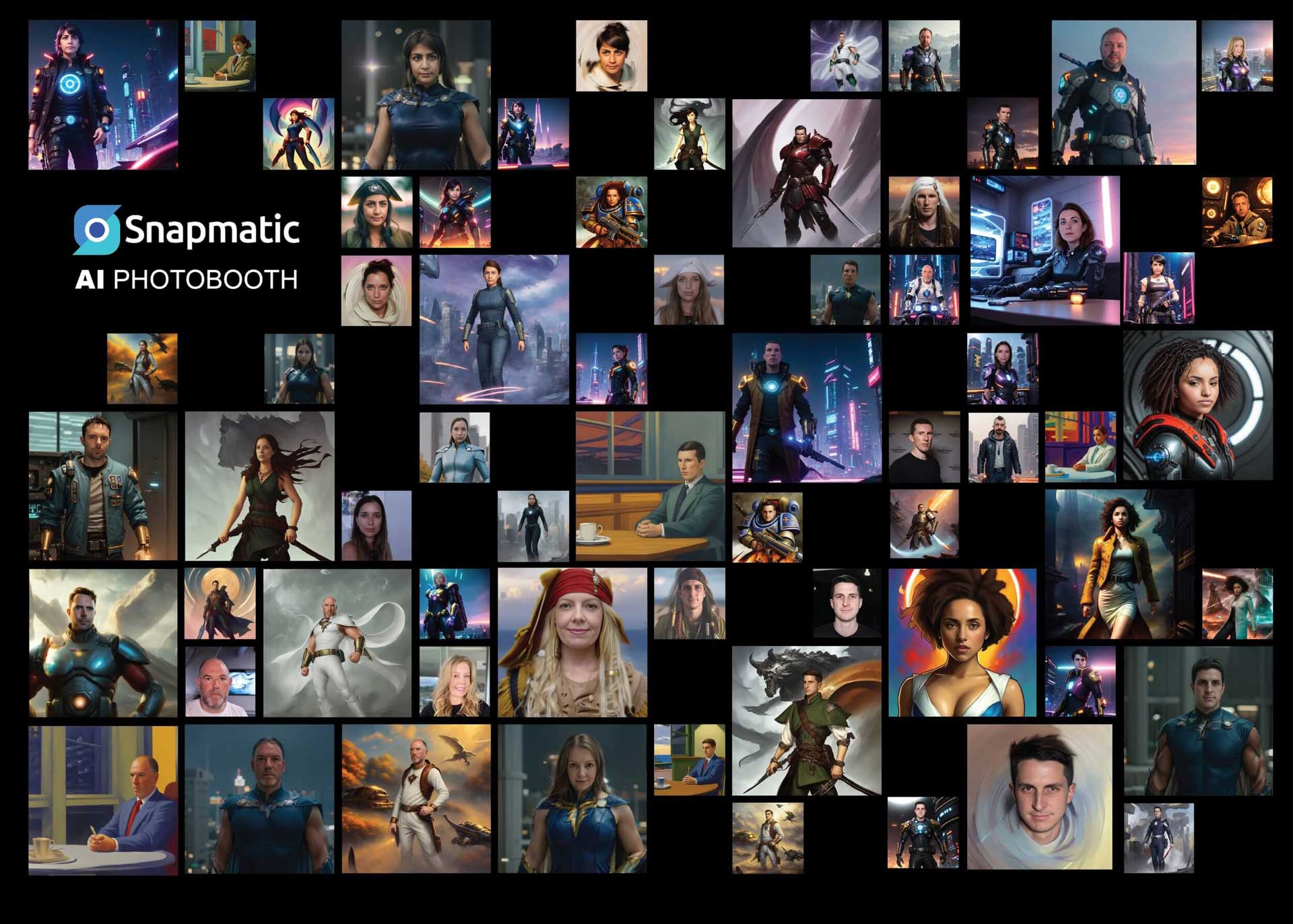
This is what an AI photo booth is really about. The image is generated from scratch around the brand brief, and it includes the guest’s likeness, not just their face pasted in. The outputs can be genuinely surprising, and they are unique to each person. The trade-off is effort: it takes far more testing to get consistent, on-brand results across different ethnicities, shapes and sizes, and to deliver that at scale. When it lands, it drives the highest engagement. We’ve run full generative activations for TechnologyOne, ShareGate at Microsoft Ignite, and Visit Pittsburgh at IMEX.
What’s new in 2026: Gen 3
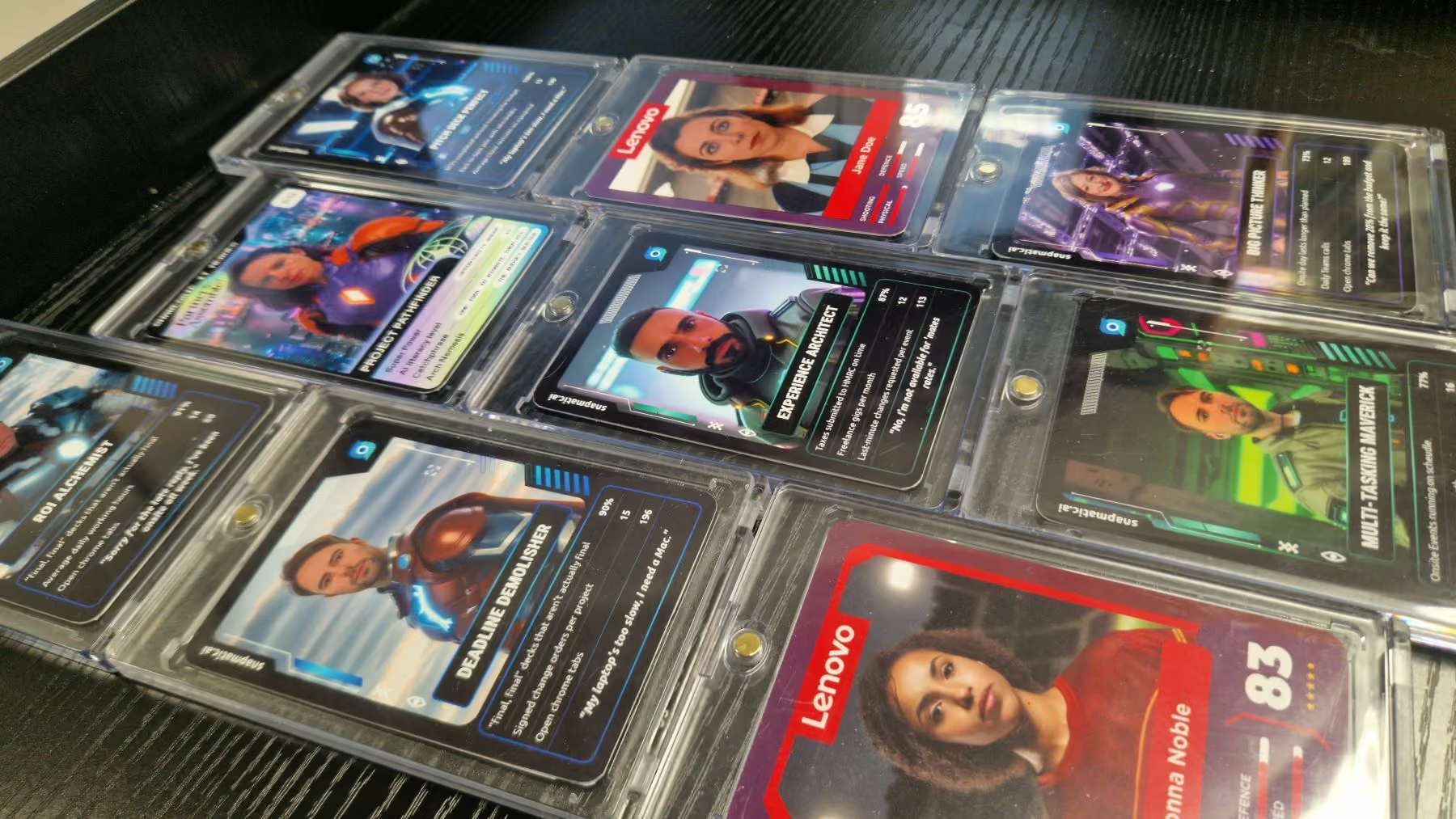
The technology has moved on. Snapmatic is now on its third generation of AI workflows, which adds:
- AI Video Booths: full-motion AI video, not just stills.
- AI Trading Cards: collectible, personalized cards attendees keep long after the event.
- Custom AI Themes: bespoke looks designed around your brand or campaign.
- Group photos: multi-person generation that captures whole groups, not just individuals.
- AI headshots: professional-quality headshots generated on-site.
What events are AI photo booths used for?
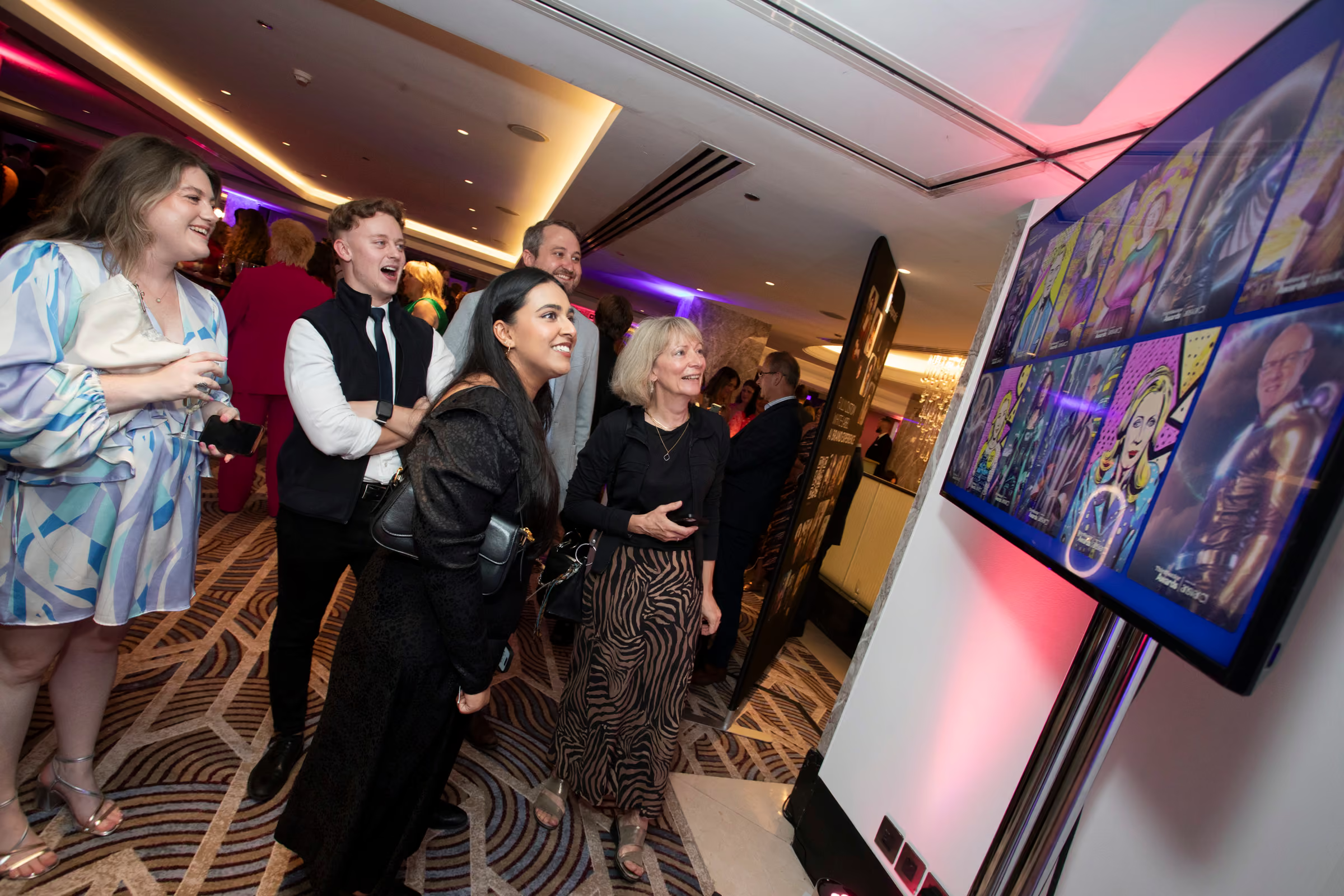
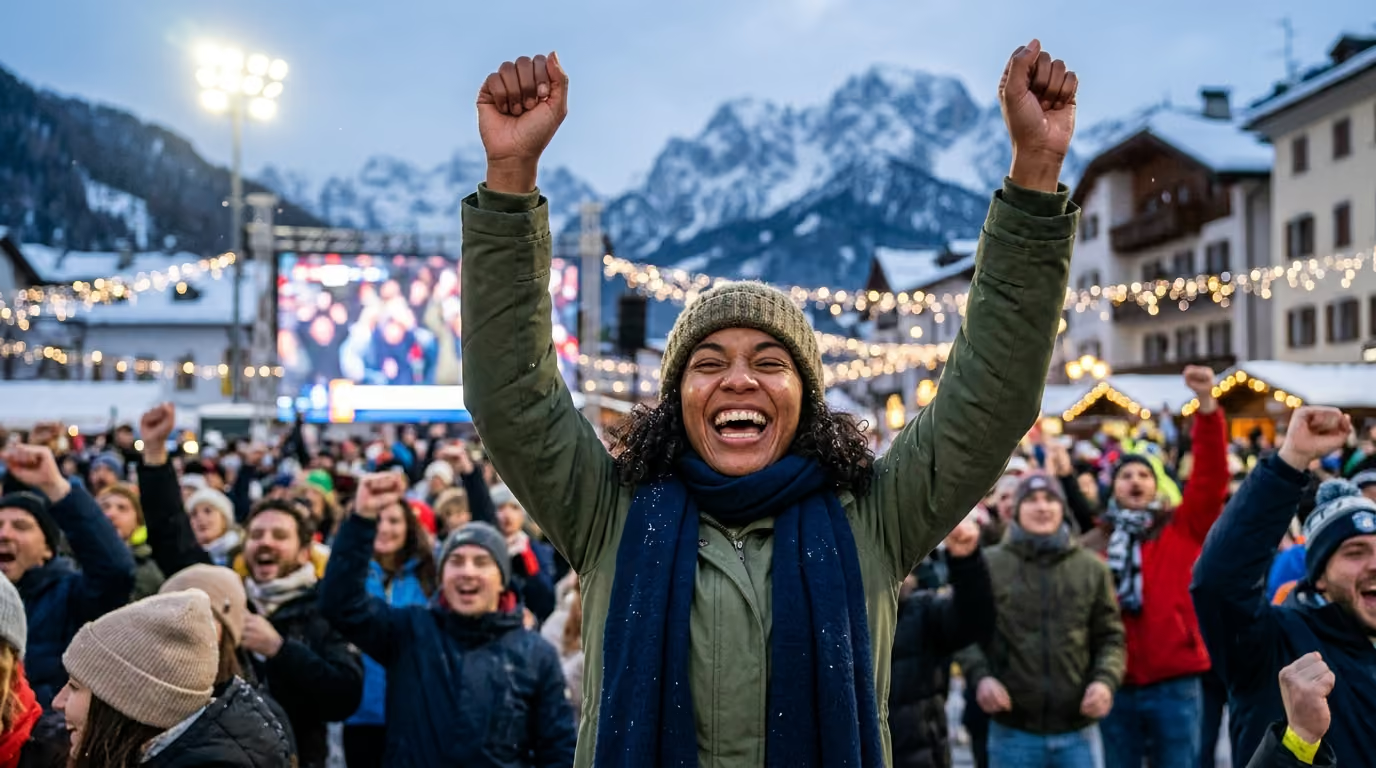
AI Photo booth gallery draws a crowd
Brand activations. The core use case. A booth gives people a reason to stop, and every image carries your branding out onto their feeds.
Trade shows and conferences. On a stand it pulls a crowd and gives the sales team a natural opener. At a conference it gives attendees something to do between sessions.
Product and film launches. The styling can carry the campaign itself, dropping guests into the world of the product or title, as we did on the Mission Impossible F1 fan zone.
Motorsport and sports hospitality. High-energy environments where trading cards land especially well, like our IndyCar and AAA trading-card activation.
Corporate events and internal engagement. Staff parties, awards nights, and internal milestones, themed to the moment.
Retail and virtual campaigns. In-store installations and browser-based experiences for pre-event and always-on activations.
How much does an AI photo booth cost?
Cost depends on a few things rather than a single sticker price:
- The type of booth. A face-swap setup sits lower than full generative AI, which takes more development.
- Event length and scale. A single day with one booth costs less than a multi-day, multi-booth roadshow.
- Throughput. How many people you need through per hour drives how many booths and crew.
- Custom theming. A bespoke generative theme built to your brand costs more than an off-the-shelf style.
- Add-ons. On-site printing, video, trading cards, and analytics.
The honest answer is that it scales with the brief. For a real number, tell us about your event and we’ll quote it.
What to look for when choosing a provider
- Image quality and brand integration. Do the outputs look good and keep your logo and colors accurate?
- Speed and capacity. Can it turn images around fast enough for your footfall?
- Data privacy and compliance. How is attendee data handled? See our enterprise security breakdown.
- Deployment flexibility. On-site, virtual, single stand, or roadshow?
- Analytics and reporting. Do you get reporting on engagement and reach?
- Track record. Real activations for named clients, not just demos.
Enterprise security and data privacy
For enterprise clients the first question is usually what happens to the photos. Snapmatic’s workflows are anonymous by design, GDPR and CCPA compliant, ISO 27001 aligned, and we never train AI models on your attendees’ data. Read the full security breakdown.
The future of AI photo booths
The direction is more motion, more personalization, and faster generation on-site. Video is already here with Gen 3, and the gap between capture and a finished, brand-perfect image keeps shrinking.
Frequently asked questions
What is an AI photo booth?
An AI photo booth photographs a guest and uses generative AI to place them in a branded, themed scene — team livery, a film world, a custom set — then prints and shares the result on-site, usually within a minute or two.
How does an AI photo booth work?
A camera captures the guest, generative AI restyles the image to a brand-approved theme on the spot, and the finished shot prints and sends as a share-ready file. No lengthy editing, and no waiting for images after the event.
How much does an AI photo booth cost?
It depends on event length, expected guest volume, and how bespoke the AI theming is; most brand activations are quoted per day. See the cost section above, or ask us for a quote.
Is guests’ data safe?
Yes. Guest photos are processed to generate the image and then deleted after the event, with enterprise-grade handling and no lingering face database.
What events are AI photo booths best for?
Brand activations, trade shows and conferences, product and film launches, sports and motorsport hospitality, retail installations, and corporate events.
Can the output match our branding?
Yes. The AI theme is built to a brand-approved brief — your logo, colors, and set placed where your team signs off, at print quality.
Ready to see it in action?
Browse the AI booth gallery for real outputs, explore the case studies, or get in touch for a custom demo.

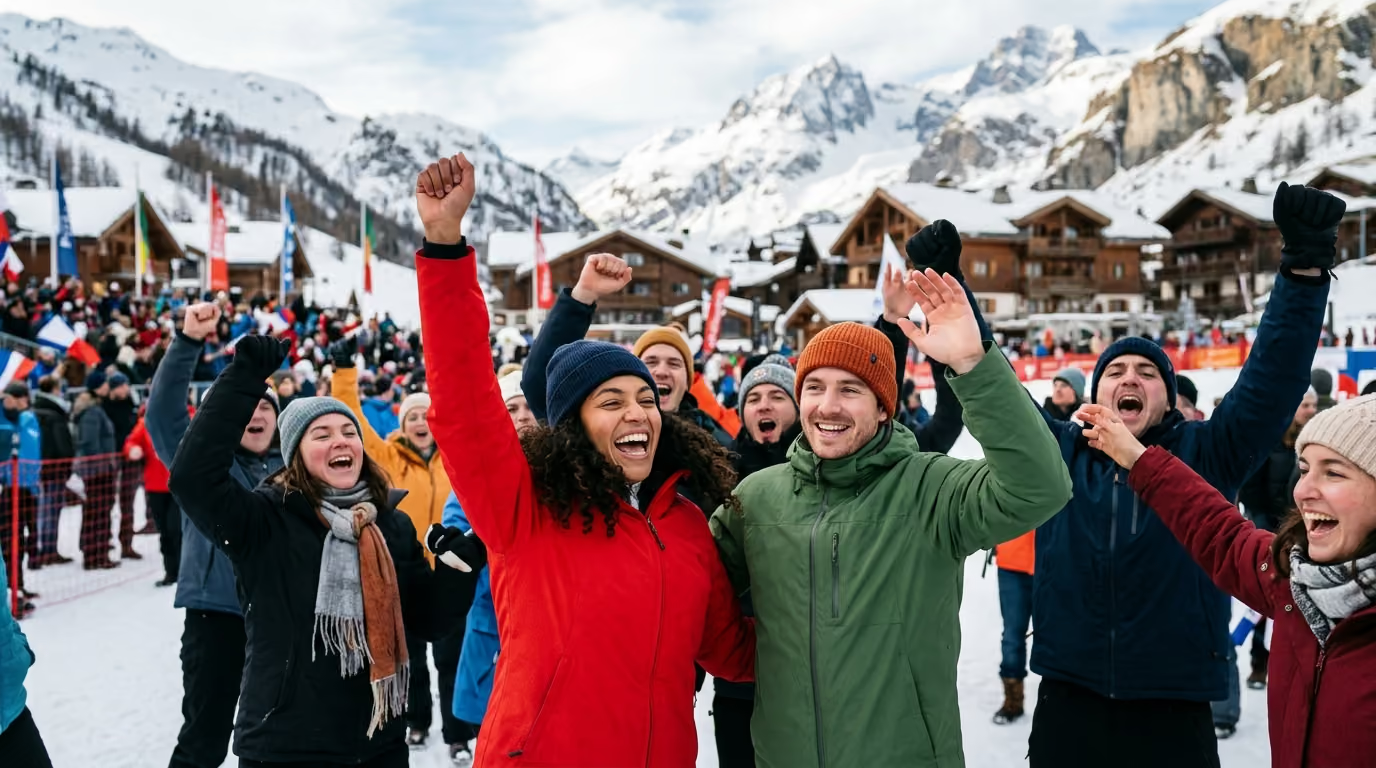

Snapmatic AI creates highly engaging AI-powered photo & video experiences. Increase your event engagement and brand awareness with shareable, user-generated content that gets people talking!
